In short:
Credit spreads continue to widen. $25 billion deal from Microsoft. Midterm elections tomorrow (3rd November). This may create a new market phase.
Top talking points:
- Microsoft (AAA) raises $25 billion as investors turn more AI capex cautious: Microsoft raised $25 billion – its first bond issue in almost 10 years. This is as investors become a little more cautious on AI investment – reflected in both equity and bond prices over the last week.
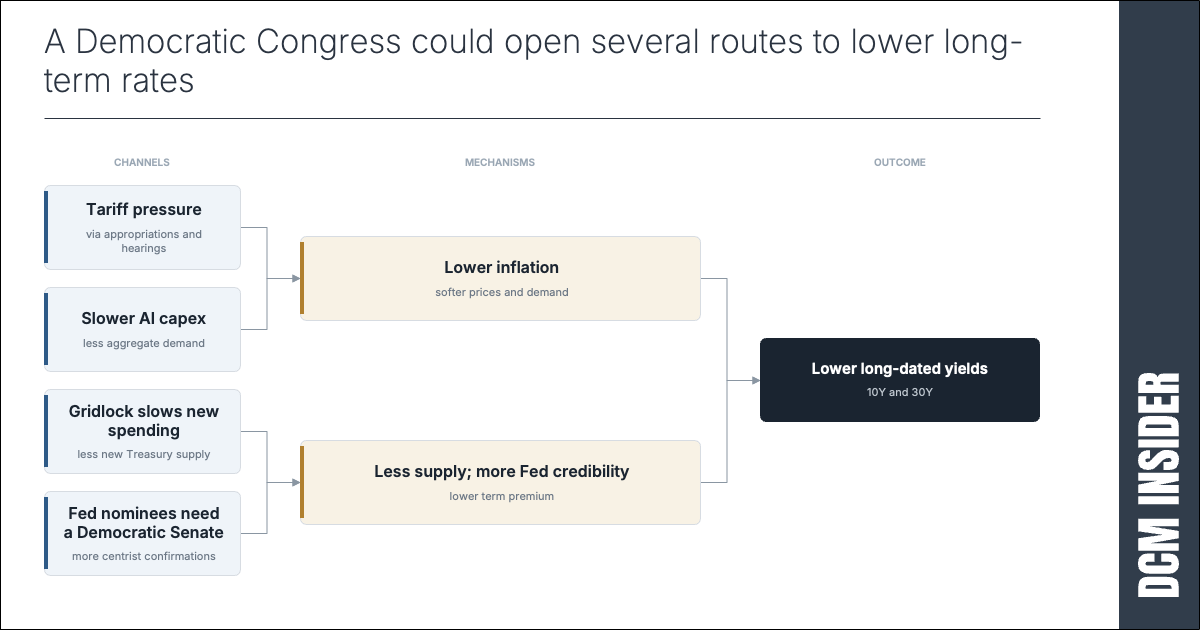
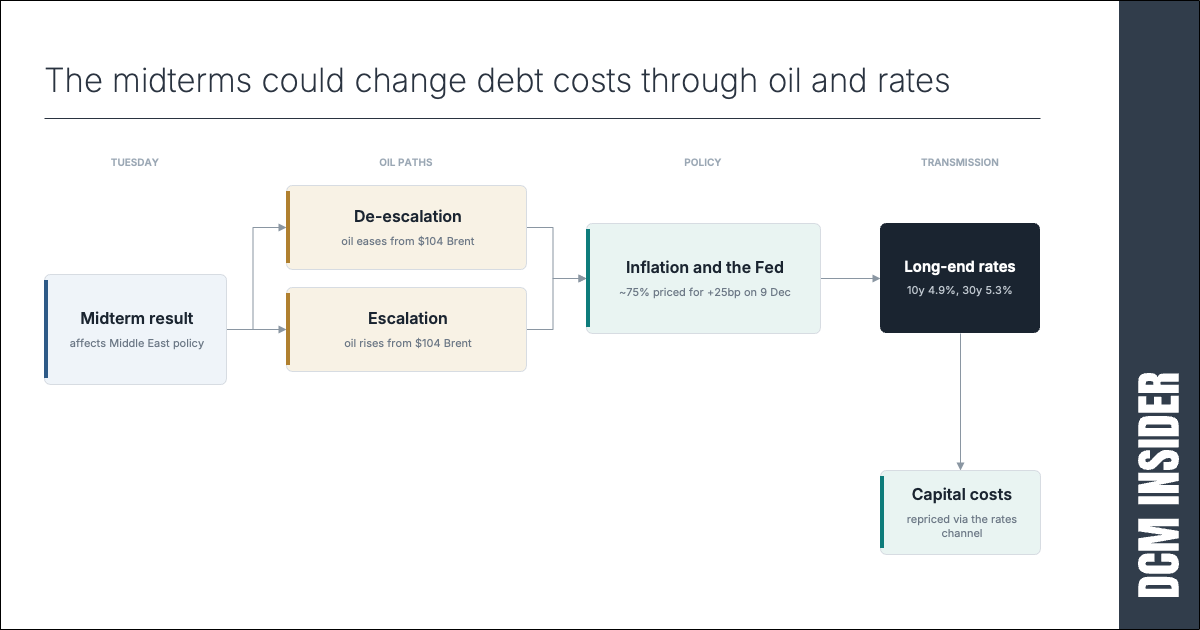
- Midterm elections tomorrow (3rd November) could start a new capital markets phase: This could result in a number of changes – whatever the results are. One major change is likely to be oil prices (up or down) – which will likely affect inflation expectations and interest rates. It is also likely to affect a wide range of policies that will move credit markets.
Primary markets:
The big deal of the week was Microsoft’s $25 billion bond.
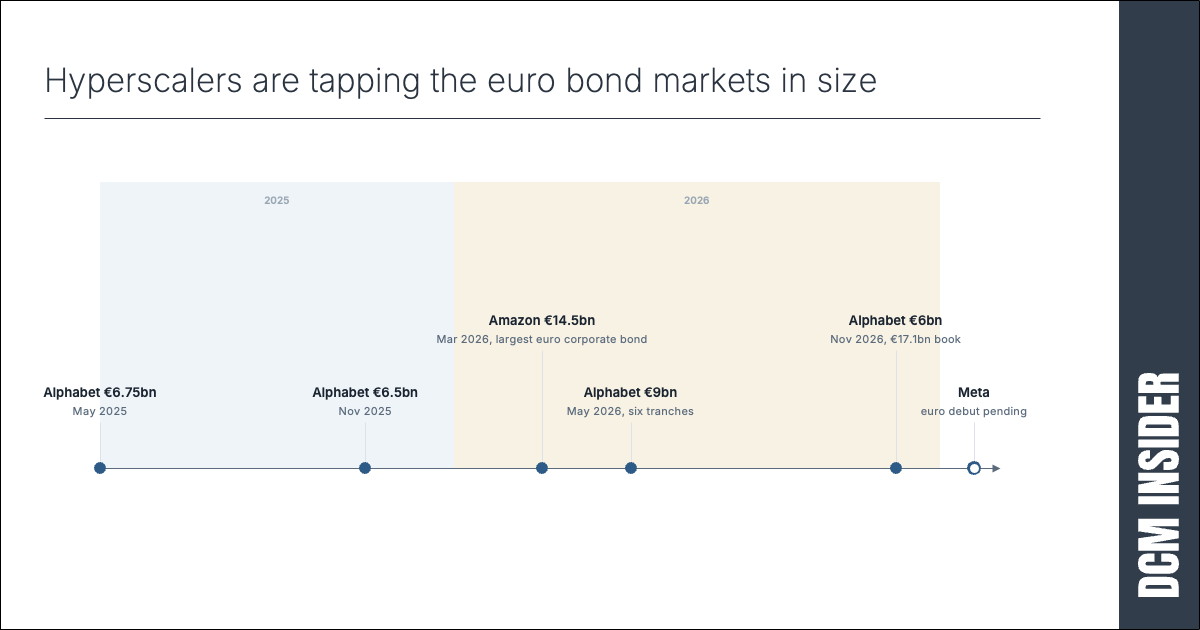
Public Investment Grade – $25 billion from Microsoft (a rare AAA-rated issue), $10 billion from Oracle, €6 billion from Alphabet, $4 billion and €3.25 billion deals from Procter & Gamble, $4.25 billion from HSBC, $4 billion from Barclays, $3 billion from American Express, $1 billion from Macau casino operator Sands China. Meta is in the market with a $20 billion deal.
Public High Yield – $1.8 billion from BB-/Ba3-rated Italian software company Bending Spoons ($1.25 billion at 9.625% and €500 million at 8.625%).
Private credit – Apollo launched a €10 billion European Credit Company to invest solely in European corporate and asset-backed lending. Polus raised $600 million for a special situations strategy.
Syndicated loans – Private equity firm EQT is reported to have secured €5.5 billion in loans from six banks for its acquisition of molecular testing company Qiagen. Saudi Aramco is reported to be raising $10 billion in loans from banks.
Asset-backed – Securitization markets active. Pizza Hut is reported to be working on a whole business ABS. Fintech Carro issued Singapore’s first auto loan ABS. Gateway Fiber raised $333 million through an ABS deal.
EM – Colombia sold $5.2 billion in bonds. Slovenia sold $500 million in 10-year bonds.
Distressed/stressed:
Increasing numbers of stressed/distressed issuers. JetBlue bonds rose after its CEO denied talks with creditors. Brazilian petrochemical company Braskem’s bond prices increased on reports it is nearing an $11 billion restructuring.
What to watch this week:
- Midterm elections – Tomorrow (Tuesday 3rd November). The results (whatever they are) are likely to result in significant events for the debt capital markets.
- Oil prices – We may see significant events after the election. This could result in a material de-escalation or escalation of the Middle East conflict. This could create a significant shift (either way) on oil prices.
- US jobs data on Friday – The market currently implies a 75% expectation of a 25bps Fed rate increase at the next (9th December) meeting. This jobs print could change that expectation – and in turn inflation expectations and so longer-term rates.
Key data points:
Oil Price (Brent Crude): $104 (down $6 on the week).
UST 10-year: 4.9% (down 0.1% on the week). Close to highest levels since 2002.
UST 30-year: 5.3% (flat on the week). Close to highest levels since 2002.
IG Spread (ICE BofA US Corporate OAS): 94bps. Up another 3bps on the week.
HY Spread (ICE BofA US HY OAS): 344bps. Up 6bps. Risen rapidly. Compare with 266bps on 21st September.
CCC/lower Spread (ICE BofA CCC and lower OAS): 13.27%. Down 0.29% on the week. This was less than 10% in July.