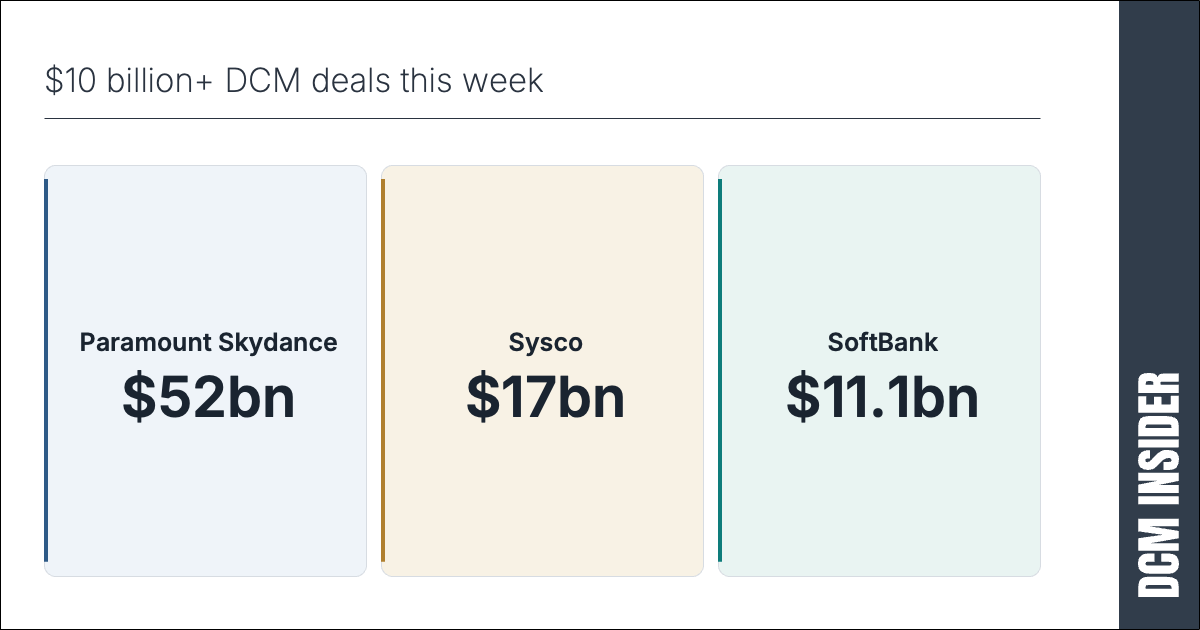
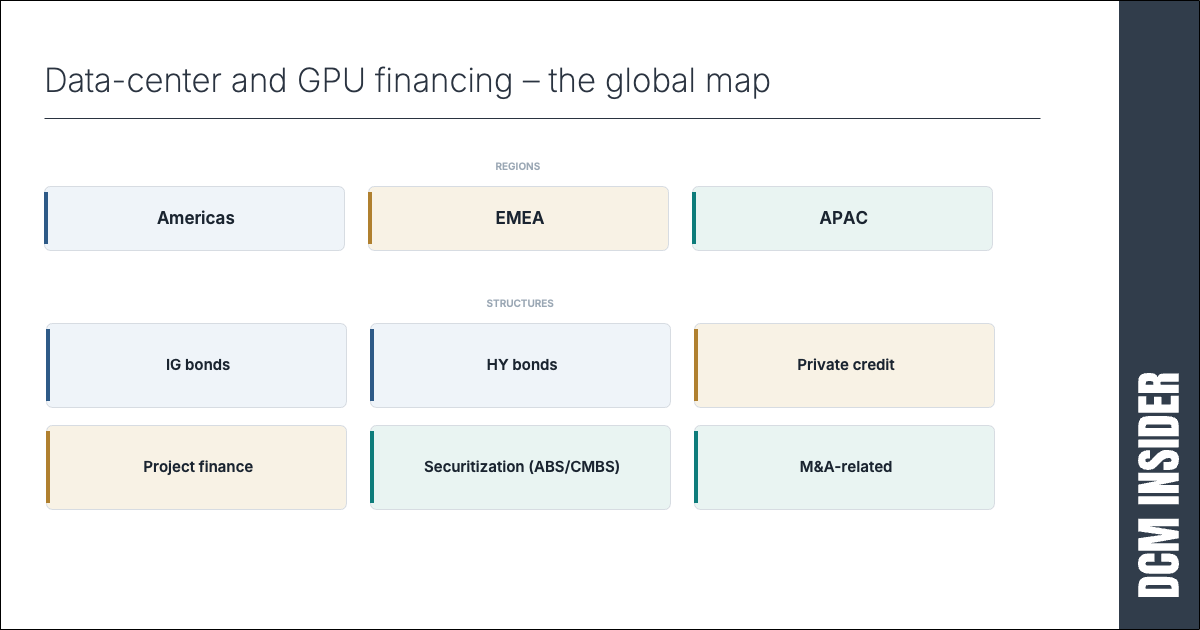
Debt markets enter September with substantial capital to deploy, credit spreads around 25-year lows and a strong backdrop for issuance. At the same time, rising-rate risk, the possibility of future defaults or losses and growing investor attention to covenant protection remain important counterweights.
That combination leaves the primary market unusually receptive today, but with a meaningful risk of disruption later in the year. Issuers are therefore expected to focus on the next available window, while investors balance the pressure to deploy capital against the terms they are willing to accept.
A potentially heavy September supply window
US markets were very quiet ahead of the Labor Day break. From the week beginning 7 September, a very large amount of primary issuance is expected as borrowers seek to get ahead of competing supply and a growing set of risks that could disrupt markets later in the year.
AI-related financing is one source of potential competition for investor demand. NVIDIA’s results were described as materially improving conditions for AI debt issuance, while Broadcom’s results this week are another event to watch. If Broadcom’s results are similarly strong, the market could be more receptive to coming AI deals, with potentially more supply.
Rates remain the central macro risk
Rates markets have been unsettled since the Federal Reserve’s 29 July decision to hold rates, with concern that policy may not act proactively enough to control inflation. That concern has partly contributed to higher yields, alongside US Treasury intervention aimed at stopping 30-year yields from increasing too much.
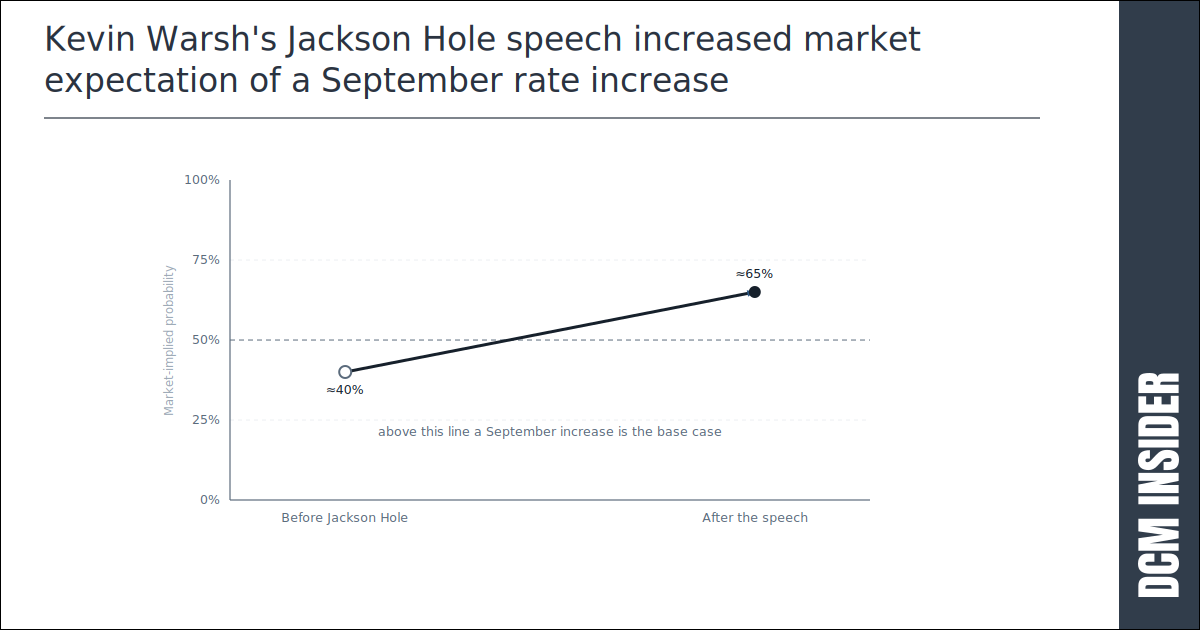
Fed Chair Kevin Warsh’s Jackson Hole speech was described as more explicit about taking action to control inflation. The speech was well received by the market, and expectations of a September rate increase moved from around 40% to 65%.
“The thing about market measures of inflation expectations in economic history is that they tend to look strong and durable until they don’t. Those expectations are not pushed around easily, and right now they are well anchored. But they must be closely minded. It’s the Fed’s job to make sure that inflation expectations do not get unanchored.”
Kevin Warsh, Chairman, Federal Reserve, in his Jackson Hole speech
Strong demand is still compressing spreads
Credit demand remained very strong during the week. Investment grade spreads moved from 81bps to 79bps, while high yield spreads moved from 270bps to 260bps. The tightening reflects higher fixed-income allocations as rates stay high and pressure on investment managers to deploy dry powder.
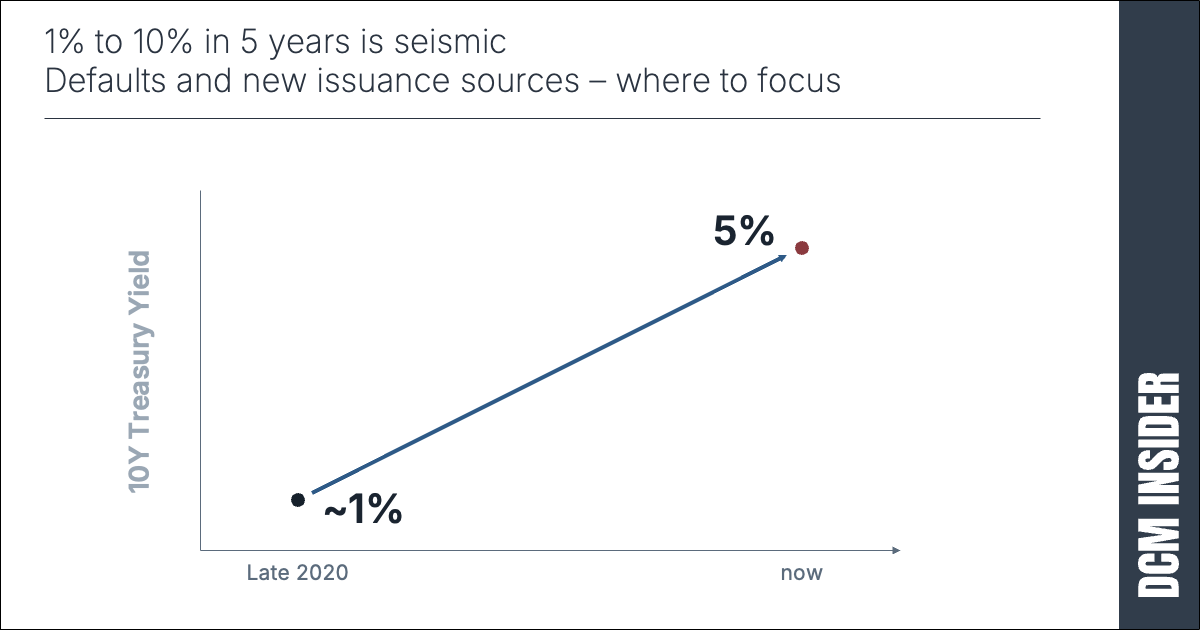
The resulting levels are around 25-year lows even as the 10-year US Treasury yield stands at 4.8% and the 30-year at 5.3%, both described as around 25-year highs. Brent crude is $89, down $3 on the week, and remains the key macro figure highlighted for debt markets.
Covenants are drawing more scrutiny
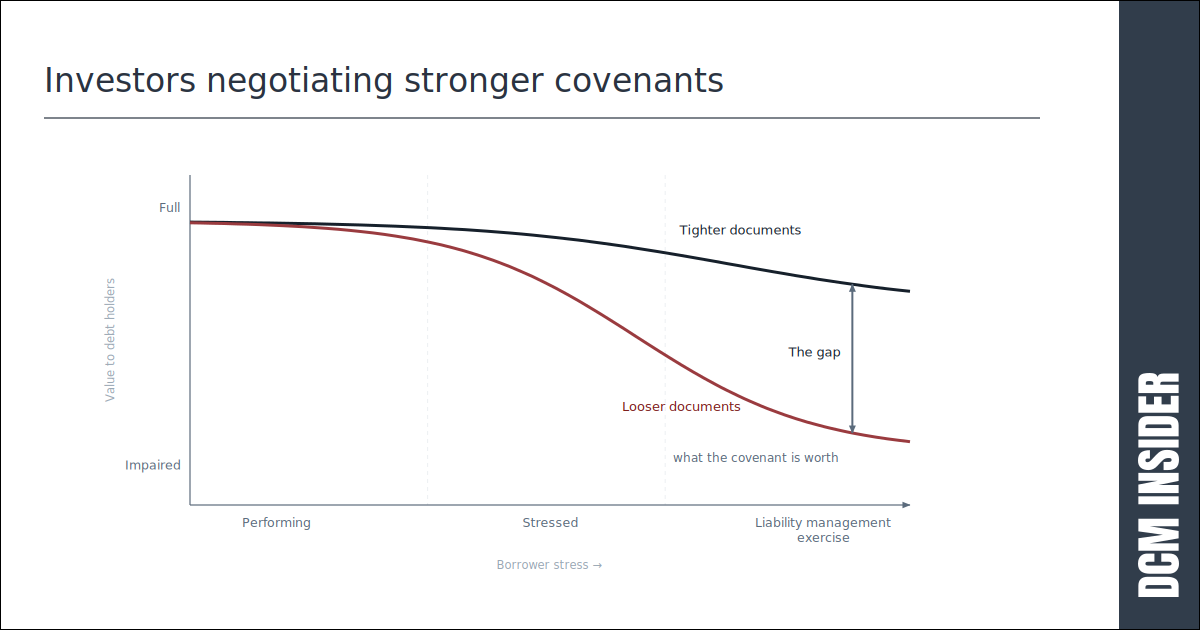
Investor pushback is starting to increase on deals that could go wrong over the next year or two. The main focus is on tightening loose covenants that have allowed some stressed issuers to conduct aggressive liability management exercises, transferring value from debt holders to equity holders and resulting in lower-than-expected recoveries.
Related DCM Insider subscriber coverage: on covenant tightening, and on a higher interest rate world.
What to watch
- Middle East developments, which could pick up again.
- Payrolls data on Friday, with rate expectations sensitive to incoming data.
- Broadcom results on Wednesday and the implications for the market’s receptiveness to AI-related debt supply.
Related coverage: the 31 August DCM Insider weekly overview.